Ongoing projects
Carbon sequestration in Rice
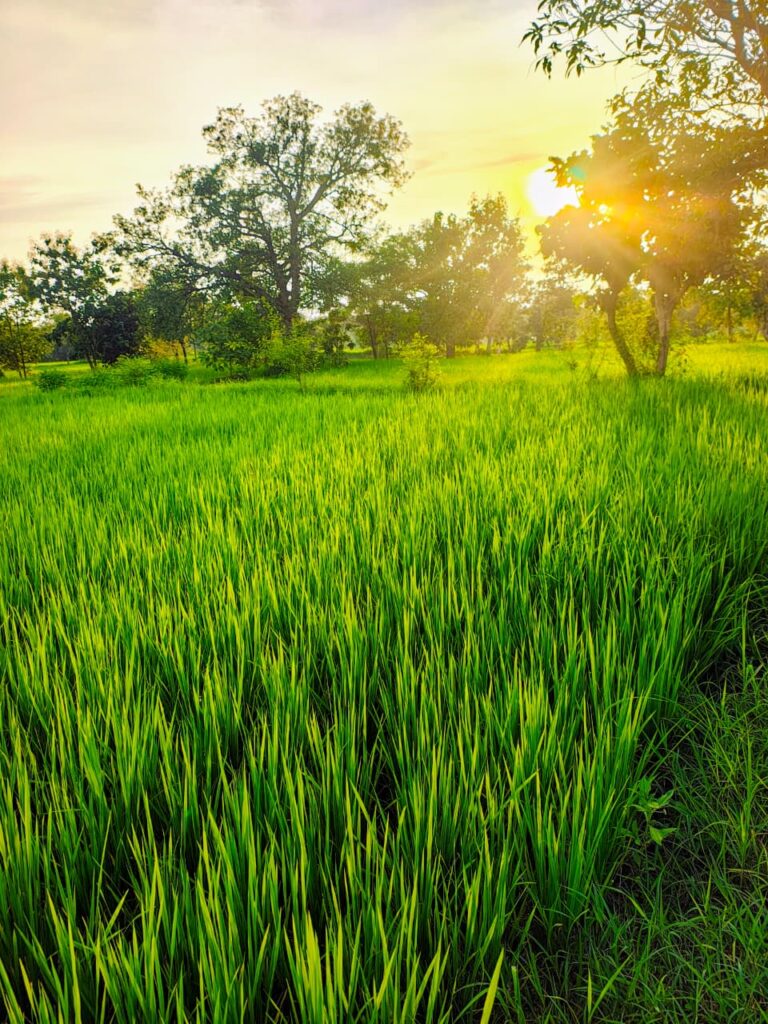
The programme promotes climate-smart rice cultivation through Alternate Wetting and Drying (AWD), the System of Rice Intensification (SRI), and Direct Seeded Rice (DSR). These practices reduce continuous flooding of paddy fields, cutting methane emissions while improving water-use efficiency and soil health.
AWD allows fields to dry intermittently before re-irrigation, significantly lowering methane generation compared to conventional flooded cultivation. SRI reduces water and seed requirements through wider spacing and improved root development, while DSR eliminates the need for puddling and transplanting, further reducing water use and labour.
Together, these practices lower the carbon footprint of rice farming while maintaining or improving yields, generating verifiable emission reductions under recognised carbon methodologies.
Bamboo Research & Development
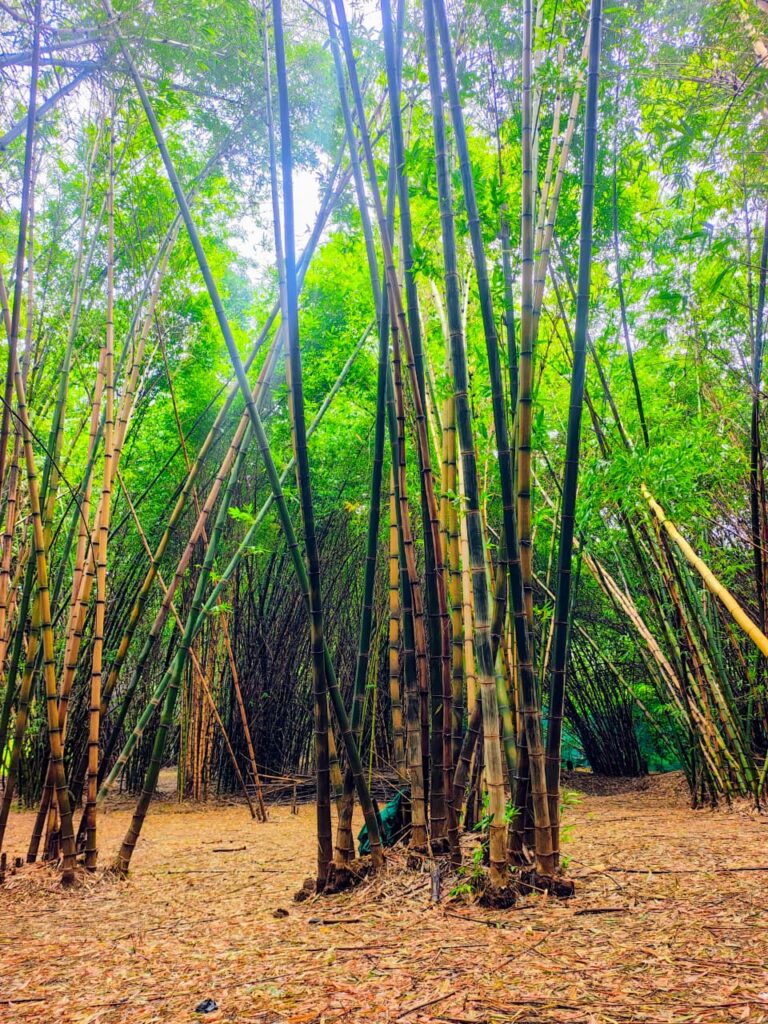
Bamboo offers strong ecological and economic benefits, including rapid carbon sequestration, high biomass yield, soil stabilisation, and additional farmer income with minimal maintenance requirements. As part of this potential, the programme is introducing bamboo plantation as a complementary land-use intervention integrated with ongoing farmer engagement in the region.
Species being promoted include D. Strictus, Manvel, Bulgoa, Tulda, and Buddha Bamboo, selected for their suitability to local agro-climatic conditions and growth performance. Research and development efforts focus on species performance, optimal planting densities, and agroforestry models that integrate bamboo with existing farming practices without displacing food or cash crops, supported by field trials, growth monitoring, and documentation of carbon sequestration potential for future certification and market linkages.